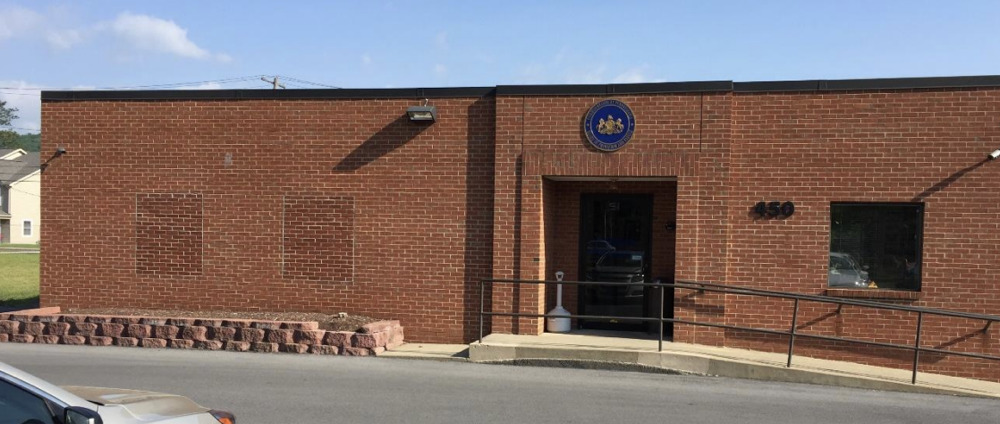
The Pennsylvania Parole Board (formally the Pennsylvania Board of Probation and Parole) is the state agency responsible for deciding whether incarcerated individuals in Pennsylvania are released on parole before the end of their sentence, and for supervising those on parole in the community. Headquartered at 1101 South Front Street in Harrisburg, Pennsylvania, the Board plays a pivotal role in the state's criminal justice system. Pennsylvania has one of the highest rates of parole supervision in the United States — the state supervises more people on parole than almost any other state in the nation. With over 56,000 historical records on file in our directory linked to this agency, this guide explains how the Board works and how families can best support a loved one navigating parole in Pennsylvania.
What Is the Pennsylvania Parole Board?
The Pennsylvania Parole Board is an independent state agency empowered to:
- Grant, deny, revoke, or modify parole for individuals sentenced to state prison (sentences of two years or more served in PA DOC facilities)
- Supervise parolees through a statewide network of parole agents
- Conduct hearings on alleged parole violations
- Establish conditions of parole supervision
The Board's mission centers on "public safety by using evidence-based practices to make equitable parole decisions." The agency balances victim protection and public safety with rehabilitation opportunities for those who have served their time. You can reach the Board at 1-800-932-4857, and its email is ra-pbppopc@pa.gov. The official website is pa.gov/agencies/parole.
It is important to understand the scope of the Board's jurisdiction: it only handles individuals sentenced to state prison — those serving sentences of two or more years in a Pennsylvania Department of Corrections facility. County probation and parole (for shorter sentences) is handled separately by county probation departments.
How the Parole Process Works in Pennsylvania
Understanding the parole process is the first step to supporting a loved one who is incarcerated and approaching their minimum sentence date:
1. Minimum Sentence Date and Parole Eligibility
Individuals sentenced to state prison in Pennsylvania typically receive a minimum and maximum sentence. The minimum sentence date is the date the person first becomes eligible for parole consideration — they are not automatically released at this point, but may apply for a parole hearing.
2. Parole Interview
Near the minimum sentence date, PA DOC staff compile a pre-parole report, and the individual is scheduled for a parole interview. Board members review the case — including the nature of the offense, behavior in prison, program participation, reentry plan, and any victim statements — and make a parole decision.
3. Parole Decision
The Board can grant parole, deny parole, or continue the case to a later date. A grant means the individual will be released on a specific date (after a release plan is approved), subject to standard and special conditions. A denial means they must serve more time before being reconsidered.
4. Release Plan Approval
Before release, the individual must have an approved residence, often verified by a parole agent home visit. If the planned residence is rejected (e.g., it's near a victim, in a drug-prone area, or the landlord doesn't agree), an alternative must be found. This step can sometimes delay release even after parole is granted.
5. Conditions of Parole
Every parolee must agree to standard conditions, which typically include:
- Regular check-ins with an assigned parole agent
- Maintaining stable employment or pursuing education
- No contact with the victim(s) of the crime
- Prohibition on possessing firearms or controlled substances
- Attending required treatment programs (substance abuse, sex offender treatment, mental health)
- Not leaving the state without prior approval from the parole agent
- Compliance with all searches of person, residence, and vehicle by parole agents
How Families Can Support a Loved One Going Through the Parole Process
Family support significantly improves parole outcomes. Here is how you can help:
Submitting a Letter of Support
The Pennsylvania Parole Board accepts letters of support from family members on behalf of incarcerated individuals. These letters are reviewed by Board members during the parole consideration process. A strong letter of support should:
- Identify your relationship to the person
- Describe specific ways you will support their reentry (housing, employment connections, transportation, emotional support)
- Be honest, concise, and professional in tone
- Not attempt to argue with the facts of the case or minimize the offense
Contact the Board at 1-800-932-4857 or at ra-pbppopc@pa.gov for instructions on submitting a support letter for your loved one's upcoming hearing.
Providing a Stable Residence
One of the most tangible ways families support reentry is by offering a stable, approved residence. If you are willing to have your loved one live with you after parole, work with the parole agent assigned to the case to get your home approved. This process involves a home visit and assessment of the living environment.
Attending Parole Hearings
In some cases, family members may be permitted to submit written statements or attend hearings. Contact the Board directly to understand the process for the specific case.
Parole Supervision: What Life on Parole Looks Like
Being released on parole is not the same as being free. Parolees remain under state supervision until their maximum sentence date, which could be years away. Understanding what supervision involves helps families provide appropriate support:
- Parole Agent: Each parolee is assigned an agent who monitors compliance, conducts home visits and employment checks, and provides referrals to services.
- Check-ins: Initial supervision typically requires frequent in-person reporting — sometimes weekly or bi-weekly — gradually reducing to monthly as the parolee demonstrates compliance.
- Electronic Monitoring: Higher-risk parolees may be required to wear GPS ankle monitors for some or all of their supervision period.
- Treatment Programs: Many parolees are required to attend substance abuse, mental health, or sex offender treatment as a condition of supervision.
- Drug and Alcohol Testing: Random drug and alcohol testing is a standard condition for most parolees.
Parole Violations and Revocation
If a parolee violates the conditions of their parole, the Board has authority to revoke parole and return them to prison. The Board has a multi-stage hearing process for violations:
- Preliminary Hearing: A quick initial hearing to determine if there is probable cause to believe a violation occurred.
- Violation Hearing: A fuller hearing examining the evidence of the alleged violation.
- Detention Hearing: Determines whether the person should remain detained while the case is reviewed.
- Revocation Hearing: If a violation is sustained, this hearing determines the appropriate sanction — which can range from new conditions of supervision to full revocation and return to prison.
- Administrative Challenges: Parolees have the right to challenge parole decisions through administrative appeals.
Technical violations (failing a drug test, missing a check-in) are treated differently from new criminal charges. Pennsylvania, like many states, has worked to reduce the use of incarceration for purely technical violations, favoring graduated sanctions instead.
Monthly Parole Statistics and Transparency
The Pennsylvania Parole Board publishes monthly statistical reports on its website, providing data on parole interviews conducted, decisions made, and release counts. As of the most recent data, Pennsylvania supervises tens of thousands of parolees statewide. The Pennsylvania Office of Attorney General also maintains a public dashboard at jointmetrics.cor.pa.gov showing aggregate parole data for families and researchers.
These statistics underscore Pennsylvania's significant investment in community supervision as an alternative to continued incarceration — but also highlight the scale of the system families must navigate.
Reentry Resources for Pennsylvania Parolees and Families
Successful reentry requires planning and community support. Pennsylvania offers several resources:
- PA Department of Corrections Reentry Services: Pre-release planning, ID document preparation, and benefit enrollment assistance at state prisons.
- Community Service Centers: Scattered across the state, these provide housing assistance, job placement, and other reentry support.
- Housing: Finding stable housing is one of the hardest parts of reentry. Parole agents can help connect individuals with county and nonprofit housing programs. Section 8/Housing Choice Vouchers may be available with some restrictions.
- Employment: Many Pennsylvania employers have "fair chance" hiring policies. Workforce development programs specifically serving formerly incarcerated individuals are available in Philadelphia, Pittsburgh, and many other counties.
- Benefits: Social Security, Medicaid, SNAP, and other benefits can be restored upon release. The PA Parole Board assists with benefits applications as part of reentry planning.
Probation vs. Parole in Pennsylvania
It is worth distinguishing between probation and parole, as families often confuse the two:
- Probation is a sentence imposed by a judge instead of (or in addition to) incarceration. The individual remains in the community but under court supervision. County probation departments manage probation, not the state Parole Board.
- Parole is early release from state prison under Board supervision. The Board grants and oversees parole for state prisoners.
If your loved one received a county sentence (less than 2 years), they are likely under county probation supervision. Contact the county probation department in the county where they were sentenced.
Support Resources for Families
- Pennsylvania Parole Board: 1-800-932-4857 | ra-pbppopc@pa.gov
- Official Website: pa.gov/agencies/parole
- PA DOC Reentry Services: cor.pa.gov
- Pennsylvania Legal Aid Network: palegalaid.net
- ACLU of Pennsylvania — Probation and Parole: aclupa.org
- PrisonAssist.com: Inmate search, letter service, care packages, phone discounts
How Families Can Prepare for a Loved One's Parole Release
When the Pennsylvania Parole Board grants parole, the work for families is just beginning. The period immediately following release is statistically the highest-risk time for reoffense and violations. Families who prepare in advance can make a critical difference:
- Confirm the approved residence early. The release plan must be approved by the parole agent before release happens. If you are offering a home, contact the agent assigned to the case as early as possible to begin the approval process. Delays in residence approval are one of the most common reasons parole-granted individuals remain incarcerated past their release date.
- Prepare for supervision conditions. Ask the parole agent to walk through all conditions of parole supervision with you and your loved one before release. Understanding what is and isn't allowed prevents inadvertent violations.
- Connect with employment resources. PA CareerLink and county workforce development offices offer job placement assistance specifically for individuals with criminal records. Many employers in Pennsylvania participate in Fair Chance Hiring programs.
- Ensure access to identification documents. A state ID, Social Security card, and birth certificate are required for employment and benefits enrollment. The PA DOC assists with document preparation before release — ask the case manager if everything has been obtained.
- Schedule any required treatment immediately. If conditions of parole require substance abuse, mental health, or sex offender treatment, have appointments lined up before release day. Failing to begin required treatment is a common technical violation that leads to revocation.
The Role of Parole Agents in Pennsylvania
Parole agents in Pennsylvania are assigned to geographic areas and carry caseloads of active parolees. They are responsible for monitoring compliance, conducting home and employment visits, facilitating access to services, and reporting violations to the Board. Building a respectful, communicative relationship with the assigned parole agent is one of the most practical things a parolee and their family can do. Agents have significant discretion in how they handle minor issues — those who communicate openly and proactively when problems arise generally fare better than those who avoid their agent.
Parole agents work out of district offices across Pennsylvania. The specific agent and district office assigned to your loved one's case will be communicated at or before release. Keep the agent's contact information readily available.
Inmate service providers at Pennsylvania Board of Probation and Parole
Like most US jails and prisons, Pennsylvania Board of Probation and Parole relies on private companies for phone calls, video visits, money transfers, and care packages, each with its own fees and sign-up steps. Nationwide the most common providers are Securus and ViaPath (GTL) for calls and video, JPay and Access Corrections for sending money, and Access Securepak for care packages.
Not sure which company serves Pennsylvania Board of Probation and Parole? Our inmate service provider directory explains how each one works, what it charges, and how to set up an account before you pay.