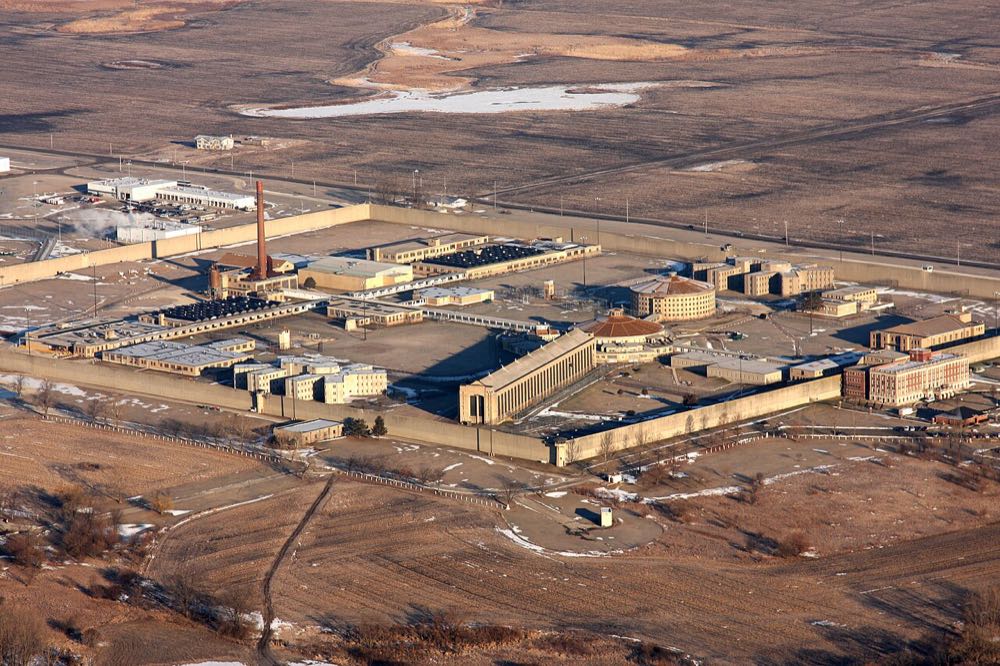

The Illinois Department of Corrections (IDOC) is the state agency responsible for the custody, care, and rehabilitation of adults sentenced to prison in Illinois. Headquartered at 1301 Concordia Court in Springfield, Illinois, the IDOC oversees a network of correctional facilities across the state housing tens of thousands of individuals convicted under Illinois law. For families and friends of incarcerated Illinoisans, understanding how the IDOC operates — and how to stay connected to a loved one — is essential. This guide brings together everything you need to know.
About the Illinois Department of Corrections
The IDOC was established to protect the public while providing rehabilitative programming to those in its custody, with the goal of reducing recidivism and supporting successful reentry into society. The department operates multiple facility types to meet the needs of its population:
- Adult Correctional Facilities — traditional prisons at minimum, medium, and maximum security levels
- Reception and Classification Centers — where newly sentenced individuals are assessed before assignment to a permanent facility
- Adult Transition Centers (ATCs) — community-based residential facilities for individuals nearing release
- Work Camps — lower-security settings where inmates work on public projects
- Life Skills Re-Entry Centers — focused on employment readiness and community reintegration
- Women's Facilities — specialized housing and programming for women in IDOC custody
The IDOC employs thousands of corrections officers, counselors, educators, and healthcare professionals statewide. The agency's main phone number is 217-558-2200 ext. 2008, and its official website is idoc.illinois.gov, which publishes population datasets, policy updates, and program information. Our directory holds over 65,000 historical arrest and booking records on file for facilities in the IDOC system — these are historical records, not a count of who is currently incarcerated.
How to Find an Inmate in the Illinois DOC System
If a loved one has been sentenced to an Illinois state prison, the IDOC provides a free Individual in Custody Search tool at idoc.illinois.gov/offender/inmatesearch.html. You can search by:
- Full legal name
- IDOC number (the unique identifier assigned at intake)
Search results typically include the individual's current facility, projected release date, sentencing information, and case details. You can also search on PrisonAssist.com to check historical booking records. If you cannot find someone, call the IDOC constituent services office directly — they can assist families in locating individuals recently transferred or newly received into the system.
Keep the IDOC number handy once you have it; you will need it for mail, phone services, and money deposits. Tip: the IDOC number should appear on the envelope address to ensure prompt delivery of your letters.
Visiting Someone in Illinois DOC Custody
In-person visitation is one of the most effective tools for maintaining bonds and improving outcomes for incarcerated individuals. IDOC facilities generally allow visitation on weekends and some weekdays, though specific hours vary by facility. To visit, you must complete the following steps:
- Get on the approved visitor list. The incarcerated person must add you to their approved visitor list. This process requires you to submit your name and identifying information to the facility for a background check.
- Await approval. Background checks can take one to several weeks. You will be notified when you are approved.
- Schedule a visit. Some IDOC facilities allow drop-in visits during visiting hours; others require advance scheduling. Check the specific facility's visiting schedule on the IDOC website before traveling.
- Follow dress code rules. IDOC prohibits revealing clothing, clothing resembling inmate uniforms (gray, olive drab), open-toed shoes, and excessive jewelry. Visitors who arrive dressed inappropriately may be turned away.
Bring a valid government-issued photo ID on the day of your visit. Visitors are subject to search, including metal detectors and pat-downs. Personal items must be stored in your vehicle or in facility-provided lockers.
If you cannot visit in person, IDOC facilities (except Adult Transition Centers) also offer electronic messaging through the ICSolutions Corrlinks system. You and the inmate can exchange text messages, which are monitored by staff.
Sending Mail to Illinois DOC Inmates
IDOC has implemented updated mail processing procedures in recent years to prevent drug-laced mail from entering facilities. All non-privileged incoming mail is processed through a centralized scanning system at many facilities. Here is what you need to know:
- Address format: Use the inmate's full legal name, IDOC number, and the facility's mailing address. Find the correct facility address on idoc.illinois.gov.
- Accepted items: Standard letters, postcards, and photos (check per-facility rules for photo dimensions and restrictions).
- Prohibited items: Cash, checks, stamps, stickers, glitter, confetti, items with excessive perfume, and sexually explicit content.
- Legal mail: Mail from attorneys or courts is handled separately and must be clearly marked "Legal Mail." It can only be opened in the inmate's presence to check for contraband.
Always include a full return address on every piece of mail. Mail without a return address may be rejected or destroyed. Check idoc.illinois.gov for facility-specific updates, as mail procedures have been evolving.
Phone Calls in the Illinois DOC System
IDOC uses ICSolutions (ICS) as its exclusive telephone service provider across all state correctional facilities. Calls are not free — the person calling pays, either through a collect call setup or a prepaid account. To receive calls from someone in IDOC custody:
- Call ICSolutions at 1-888-506-7407 to set up a prepaid collect or direct-bill account.
- You can also set up an account online at the ICSolutions website.
- Once your account is funded, the inmate can call you at the registered number.
All calls except those to attorneys are subject to monitoring and recording. Avoid discussing legal strategy, case details, or anything that could be used against the defendant in court. Calls are typically limited in duration (often 15–20 minutes), and the inmate may have a daily call limit.
IDOC also offers electronic messaging through the ICSolutions Corrlinks platform, which allows text-based messaging between inmates and approved contacts via the web or mobile app.
Sending Money to Illinois DOC Inmates
Money in an inmate's trust account can be used for commissary purchases (food, hygiene, clothing, electronics such as radios or tablets), postage, and phone credits. IDOC processes money deposits through approved vendors. Options include:
- Online deposit: Through ICSolutions or other approved third-party processors linked on the IDOC website.
- Money order by mail: Send a money order (no personal checks) made out to the inmate's name and IDOC number to the facility's trust fund office. Confirm the exact address with the facility before mailing.
- Kiosk: Some IDOC facilities have lobby kiosks that accept cash or card deposits.
Processing times vary by method. Online deposits tend to be fastest (usually within 24–48 hours). Mail-in money orders may take a week or more. Keep your receipts for all transactions.
Bail and Bond in Illinois
The IDOC houses individuals who have already been convicted and sentenced — it is not a pretrial detention system. If someone you know has just been arrested and is awaiting trial, they are likely held in a county jail, not an IDOC facility. Illinois enacted significant bail reform legislation in 2023, eliminating cash bail and creating a pretrial release system based on risk assessment rather than ability to pay. This means that whether someone is released before trial now depends on the severity of charges and assessed risk, not on whether their family can post bail.
If your loved one is transitioning from county jail to IDOC custody following sentencing, contact IDOC constituent services to determine which facility they will be transferred to and when.
Programs and Rehabilitation in IDOC
The IDOC offers a range of programs designed to reduce recidivism and prepare individuals for successful reentry:
- Adult Education and Vocational Services: GED preparation, adult literacy, and vocational training in trades such as welding, carpentry, and culinary arts.
- Addiction Recovery Management Services (ARMS): Substance abuse treatment programs addressing the role of addiction in criminal behavior.
- Mental Health/Psychiatric Services: On-site mental health clinicians and psychiatric care across IDOC facilities.
- Chaplaincy and Religious Services: Faith-based programs and volunteer chaplains serving multiple denominations.
- Sex Offender Services: Specialized treatment for individuals convicted of sex offenses.
- Reentry Programming: Life-skills coaching, employment preparation, housing assistance, and community connection services through the Adult Transition Center network.
Illinois in the National Incarceration Context
Illinois consistently ranks among the top ten most populous state prison systems in the United States. The state has undertaken significant criminal justice reform efforts over the past decade, including sentence reductions for nonviolent offenses, expanded good-conduct credit, and the landmark elimination of cash bail. These changes aim to reduce the prison population while maintaining public safety.
Families of incarcerated Illinoisans can track policy changes and access resources through idoc.illinois.gov, the Illinois Sentencing Policy Advisory Council (SPAC), and advocacy organizations such as the Illinois Justice Project and Restore Justice Illinois.
Support Resources for Families
- IDOC Constituent Services: 217-558-2200 ext. 2008
- Individual in Custody Search: idoc.illinois.gov/offender/inmatesearch.html
- ICSolutions Phone Service: 1-888-506-7407
- Illinois Legal Aid Online: illinoislegalaid.org
- PrisonAssist.com: Inmate search, letter service, care packages, phone discounts
Understanding the Classification and Transfer Process in Illinois DOC
When someone is first sentenced to IDOC, they do not go directly to a permanent facility. They are first sent to a Reception and Classification (R&C) Center, where staff conduct medical screenings, educational assessments, mental health evaluations, and security risk assessments. This process typically takes 4–6 weeks. At the end of classification, the individual is assigned a security level and a permanent facility placement. Until classification is complete, family members may find it difficult to reach their loved one by mail or phone because the final facility assignment isn't set yet. The best way to track their location during this window is through the IDOC Individual in Custody Search at idoc.illinois.gov.
Transfers after initial placement are also common and can be disorienting for families. Transfers may be requested by the inmate (for medical, safety, or programming reasons), ordered by the institution (for behavior management or population balancing), or triggered by a change in classification level. When a transfer happens, mail and phone access are temporarily disrupted. Check the inmate search tool to find the new facility and update your contact preferences accordingly.
How to Navigate the System as a Family Member
Families who stay engaged and informed are better positioned to support their incarcerated loved ones. Here are practical strategies:
- Write regularly, even if you don't hear back quickly. Mail takes time to process, especially at larger facilities. Keep a log of what you send and when.
- Know your loved one's IDOC number. This is essential for mail, phone services, and money deposits. Find it through the inmate search tool at idoc.illinois.gov.
- Attend family visitation orientations when available. Some IDOC facilities offer orientation sessions for new visitors explaining what to expect. Call the facility to ask if one is available.
- Ask about case management. Each person in IDOC custody is assigned a counselor or case manager. This is often your best point of contact for questions about programming, transfers, and release planning.
- Track court dates and sentence modifications. In Illinois, good-conduct credits and mandatory supervised release (MSR) can affect when your loved one is released. Ask their case manager for a current sentence calculation.
The Illinois Department of Corrections also has a Constituent Services office that fields family inquiries — call 217-558-2200 ext. 2008 if you have concerns that the facility has not resolved.
Inmate service providers at Illinois Department of Correction (IL DOC)
Like most US jails and prisons, the Illinois Department of Corrections (IDOC) relies on private companies for phone calls, video visits, money transfers, and care packages, each with its own fees and sign-up steps. Nationwide the most common providers are Securus and ViaPath (GTL) for calls and video, JPay and Access Corrections for sending money, and Access Securepak for care packages.
Not sure which company serves the Illinois Department of Corrections (IL DOC)? Our inmate service provider directory explains how each one works, what it charges, and how to set up an account before you pay.