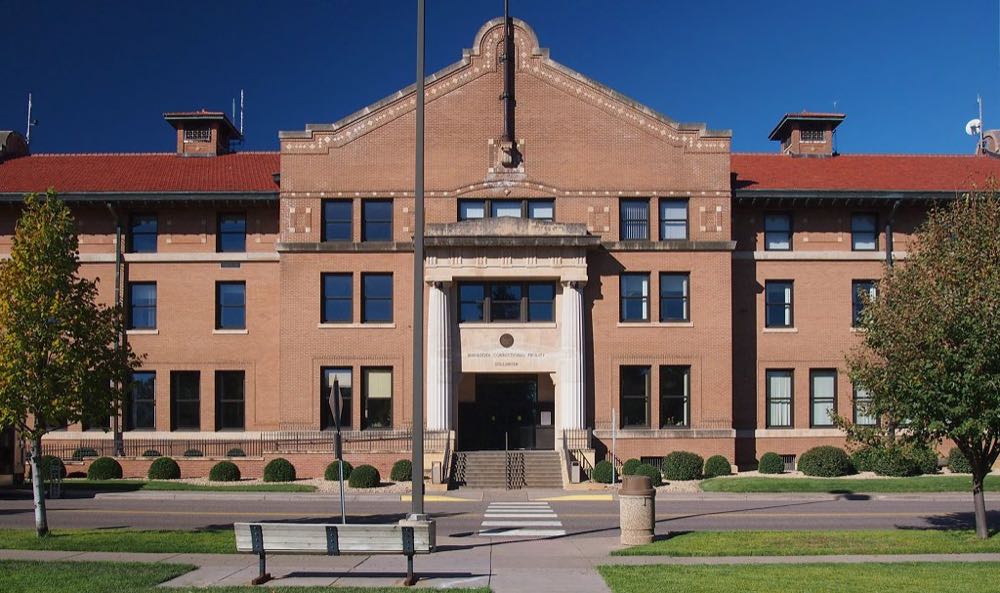
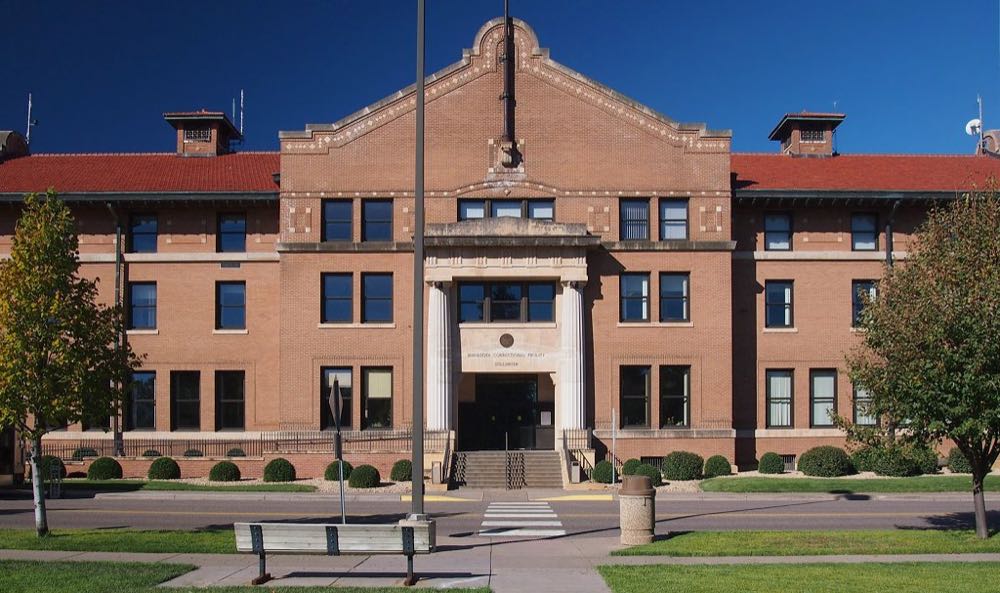

The Minnesota Department of Corrections (MN DOC) is the state agency responsible for the incarceration, supervision, and rehabilitation of adults convicted of felony offenses in Minnesota. Headquartered at 1450 Energy Park Drive, Suite 200, in St. Paul, Minnesota, the department manages about 7,200 incarcerated individuals housed across ten correctional facilities, while also overseeing roughly 104,000 people under community supervision. If you have a loved one in MN DOC custody, this guide explains how to find them, stay connected, and understand the programs available to support their rehabilitation and reentry.
About the Minnesota Department of Corrections
The MN DOC operates ten correctional facilities ranging from minimum to maximum security, including the state's oldest prison at Stillwater and major facilities at St. Cloud, Faribault, Lino Lakes, Oak Park Heights, Shakopee (the state's facility for women), and others. The department emphasizes rehabilitation, with strong educational and substance abuse treatment programs and a focus on reducing recidivism through evidence-based practices.
The department's main phone number is 651-361-7200, its records email is co-records.doc@state.mn.us, the fax is 651-642-0223, and its official website is doc.state.mn.us (also reachable at mn.gov/doc). The records-on-file figure associated with this listing reflects historical booking records accumulated over time, not the current population.
Minnesota's correctional system is widely regarded as one of the more rehabilitation-focused in the nation, with a comparatively low incarceration rate and significant investment in programming. Recent performance data shows over 6,000 individuals participating in educational programming and a 79 percent successful completion rate for substance use disorder treatment programs.
How to Find an Inmate in Minnesota DOC
The MN DOC provides a free online Offender Locator tool on its website at mn.gov/doc. You can search by:
- The person's name
- Their OID (Offender ID) number
Search results include the individual's current facility, offense information, and projected release date. You can also search PrisonAssist.com for historical booking records. If you cannot locate someone or need assistance, call the MN DOC at 651-361-7200 or email co-records.doc@state.mn.us.
Keep the OID number handy once you have it — it is required for the visiting application, mail addressing, phone account setup, and money deposits. Newly transferred individuals may take a few days to appear in the locator after arriving at the facility.
Visiting Someone in Minnesota DOC
The MN DOC has modernized its visiting process with an electronic application system. Beginning August 4, 2025, all adult correctional facilities moved to an electronic visiting application process. Here's what families need to know:
Applying to Visit
To visit, you must first apply electronically and be approved to be on the incarcerated person's visiting list. A background check is part of the approval process. Once approved, you can schedule visits according to the facility's schedule.
Visit Length Based on Travel Distance
Minnesota uses a distance-based visit-length policy to accommodate families who travel far:
- Visitors who drive less than 100 miles (one way) can register for a 1- or 2-hour visit.
- Visitors who drive more than 100 miles (one way) may, with prior approval, be granted an extended visit.
This policy recognizes that families traveling long distances deserve more meaningful time with their loved ones. Always confirm the specific facility's visiting schedule and current status before traveling.
What to Bring and Dress Code
- Bring a valid government-issued photo ID.
- Dress conservatively — avoid revealing clothing, clothing resembling offender or staff uniforms, and excessive accessories.
- Minors must be accompanied by an approved adult.
- You will pass through security screening, including a metal detector.
Sending Mail to Minnesota DOC Inmates
Mail is an important lifeline. The MN DOC has specific rules for incoming correspondence:
- Family and friends can send mail weighing no more than 16 ounces.
- Photographs are limited to 20 per envelope.
- You must include the offender's name, OID number, and the facility's address on the mail.
- Include your full return address.
- All incoming mail is inspected for contraband. No cash, stamps, stickers, or items that could carry drugs.
- Legal mail is handled separately and must be clearly marked.
Find the correct facility mailing address on mn.gov/doc, as each of the ten facilities has its own address. The MN DOC has also implemented mail-screening procedures at some facilities — check the website for current policies. If you'd prefer a streamlined option, PrisonAssist.com offers a letter service that formats and mails correspondence to meet facility requirements.
Phone Calls in Minnesota DOC
The MN DOC uses Global Tel Link (GTL) / ViaPath (ConnectNetwork) for inmate telephone services. To receive calls from someone in MN DOC custody:
- Create an account at connectnetwork.com.
- Fund your account and register your phone number.
- The incarcerated person can then call you, with charges deducted from your balance.
- All calls except confidential legal calls are recorded and monitored.
Minnesota has worked to reduce the cost of correctional phone calls in line with national reform efforts. Check the current rate structure on the ConnectNetwork and MN DOC websites. ConnectNetwork also offers electronic messaging and, at some facilities, video visiting.
Sending Money to Minnesota DOC Inmates
Money deposited into an incarcerated person's account can be used for canteen (commissary) purchases, phone credits, and other approved expenses. Deposit options include:
- Online: Through ConnectNetwork/ViaPath or the MN DOC's approved deposit vendor — usually the fastest method.
- By phone: Call the approved deposit vendor to make a credit/debit card deposit.
- By mail: Send a money order to the facility following MN DOC's deposit instructions.
Always include the inmate's full name and OID number with any deposit, and keep your receipts. Confirm the current approved deposit vendor on mn.gov/doc.
Programs and Rehabilitation in Minnesota DOC
The MN DOC is nationally recognized for its rehabilitation programming. Key offerings include:
- Educational Programs: Adult basic education, GED preparation, and post-secondary opportunities. Over 6,000 individuals participate in educational programming annually.
- Substance Use Disorder Treatment: Evidence-based treatment with a strong completion rate (79 percent of participants successfully complete the program).
- Workforce Training: Vocational and job-skills programs preparing individuals for employment after release.
- Mental Health Care: Comprehensive mental health services across facilities.
- Reentry Programs: Structured reentry planning, including the department's Challenge Incarceration Program (a boot-camp-style program) and release planning that connects individuals to housing, employment, and treatment.
- Restorative Justice: Programming that focuses on accountability and repairing harm.
Understanding Minnesota's Sentencing and Release System
Minnesota uses a determinate sentencing structure under its sentencing guidelines. For most offenses, an individual serves two-thirds of their sentence in prison and the remaining one-third on supervised release in the community (unless they lose good-time credit through disciplinary violations). This means families can generally estimate a "supervised release date" once they know the sentence length. The MN DOC's emphasis on programming is significant because consistent participation and good conduct help individuals retain their good-time credit and remain on schedule for supervised release.
For individuals nearing release, the MN DOC coordinates reentry planning. Families can play a vital role by offering stable housing and support, which significantly improves reentry outcomes. Ask the assigned case manager about the supervised release date and what reentry services are available.
Minnesota in the National Context
Minnesota has one of the lowest incarceration rates in the United States, reflecting its emphasis on community supervision (roughly 104,000 people) over incarceration (about 7,200). The state's investment in education, substance abuse treatment, and reentry programming is a model that other states study. Families can stay informed through mn.gov/doc, the department's annual performance reports, and advocacy organizations such as the Minnesota Justice Research Center.
Navigating Minnesota's Ten Facilities
The MN DOC's ten facilities each serve different populations and security levels — from the maximum-security Oak Park Heights to the women's facility at Shakopee to reentry-focused facilities. When your loved one is first sentenced, they typically go through an intake and classification process (often at St. Cloud for men) before being assigned to a permanent facility. Classification determines security level, programming access, and placement. Families should expect that the permanent facility may not be known immediately and may change over time through transfers. Use the Offender Locator to track the current facility, and update your mail, phone, and visiting arrangements whenever a transfer occurs.
Supporting Reentry the Minnesota Way
Minnesota's nation-leading emphasis on rehabilitation means there are extensive opportunities for your loved one to prepare for release — and meaningful ways for families to help. Encourage participation in education (over 6,000 individuals participate annually) and substance abuse treatment (with its strong 79 percent completion rate), since program participation supports both well-being and good-time credit retention. Because Minnesota uses determinate sentencing with two-thirds served in prison and one-third on supervised release, you can plan ahead for the supervised release date. As that date approaches, the MN DOC coordinates reentry planning; families who can offer stable housing and a supportive environment dramatically improve outcomes. Ask the assigned case manager about the Challenge Incarceration Program (a structured boot-camp-style option for eligible individuals that can shorten time in custody) and how to connect with community supervision agents in the release county. Minnesota's large community supervision population means most individuals will remain under supervision after release, and family support remains crucial throughout that period.
Minnesota's Restorative and Family-Centered Programs
Minnesota's corrections system places notable emphasis on restorative justice and maintaining family bonds, both of which research links to lower recidivism. The department's distance-based visit-length policy — granting longer visits to families who travel more than 100 miles — is one concrete example of this family-centered philosophy. Beyond visits, the MN DOC supports parenting programs, family communication, and reentry planning that involves the family. Children of incarcerated parents face significant challenges, and maintaining a strong parent-child relationship through visits, calls, and tablet messaging can buffer those harms. Families should take full advantage of the electronic visiting application, ConnectNetwork phone and messaging, and any family-focused programming the facility offers. As your loved one approaches their supervised release date, engaging early with the reentry planning process — and being ready to provide stable housing and support — gives them the strongest foundation for a successful return to the community and reduces the likelihood of a return to custody.
Earning Time and Maintaining Good Conduct in Minnesota
Under Minnesota's determinate sentencing, the expectation is that an individual serves two-thirds of the sentence incarcerated and one-third on supervised release. However, disciplinary violations can result in the loss of good-time credit, extending the time spent in prison. This makes good conduct and program compliance directly consequential to the release date. Families can play a supportive role by encouraging their loved one to stay out of trouble, participate in programming, and follow facility rules — not just for the intrinsic benefits, but because it protects their scheduled supervised release date. If a disciplinary issue arises, the assigned case manager can explain its impact on the release calculation. Staying informed about your loved one's credit status and release date and reinforcing the value of compliance are concrete ways families help.
Final Thoughts for Families
Minnesota's rehabilitation-focused system offers real opportunities, but families must stay engaged to make the most of them. Keep the OID number handy, set up communication accounts early, build a relationship with the case manager, and begin reentry planning well before release.
Support Resources for Families
- MN DOC Main Line: 651-361-7200
- Records Email: co-records.doc@state.mn.us
- Offender Locator: mn.gov/doc
- ConnectNetwork (GTL/ViaPath) Phone & Messaging: connectnetwork.com
- Minnesota Legal Aid: mylegalaid.org
- PrisonAssist.com: Inmate search, letter service, care packages, phone help
Inmate service providers at Minnesota Department of Corrections (MN DOC)
Like most US jails and prisons, Minnesota Department of Corrections (MN DOC) relies on private companies for phone calls, video visits, money transfers, and care packages, each with its own fees and sign-up steps. Nationwide the most common providers are Securus and ViaPath (GTL) for calls and video, JPay and Access Corrections for sending money, and Access Securepak for care packages.
Not sure which company serves the Minnesota Department of Corrections (MN DOC)? Our inmate service provider directory explains how each one works, what it charges, and how to set up an account before you pay.