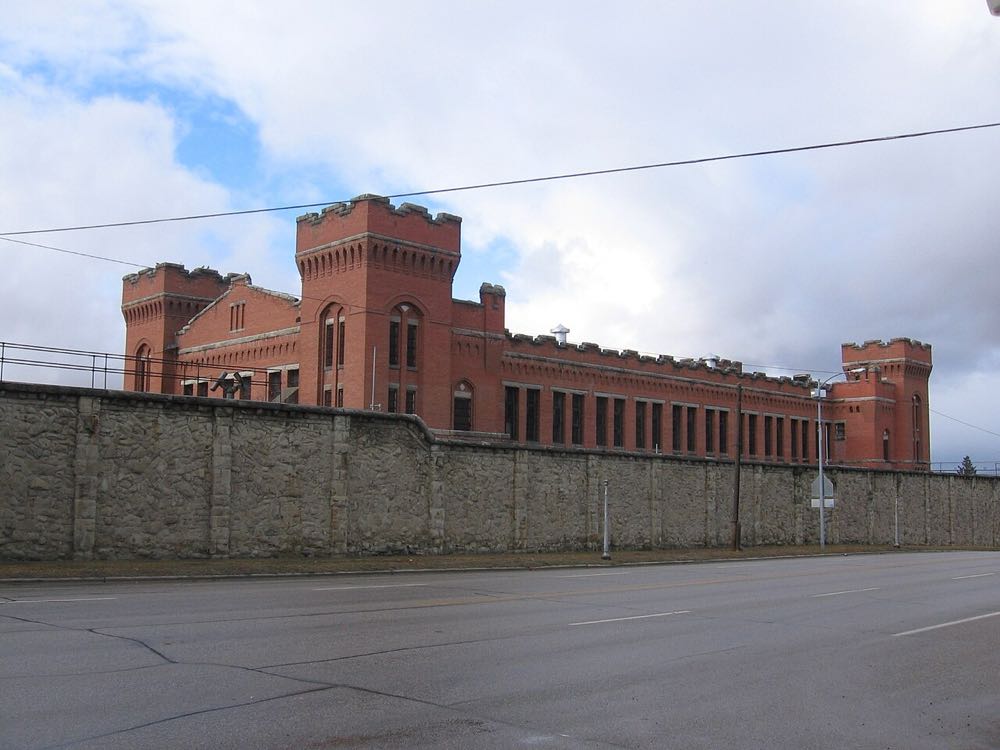
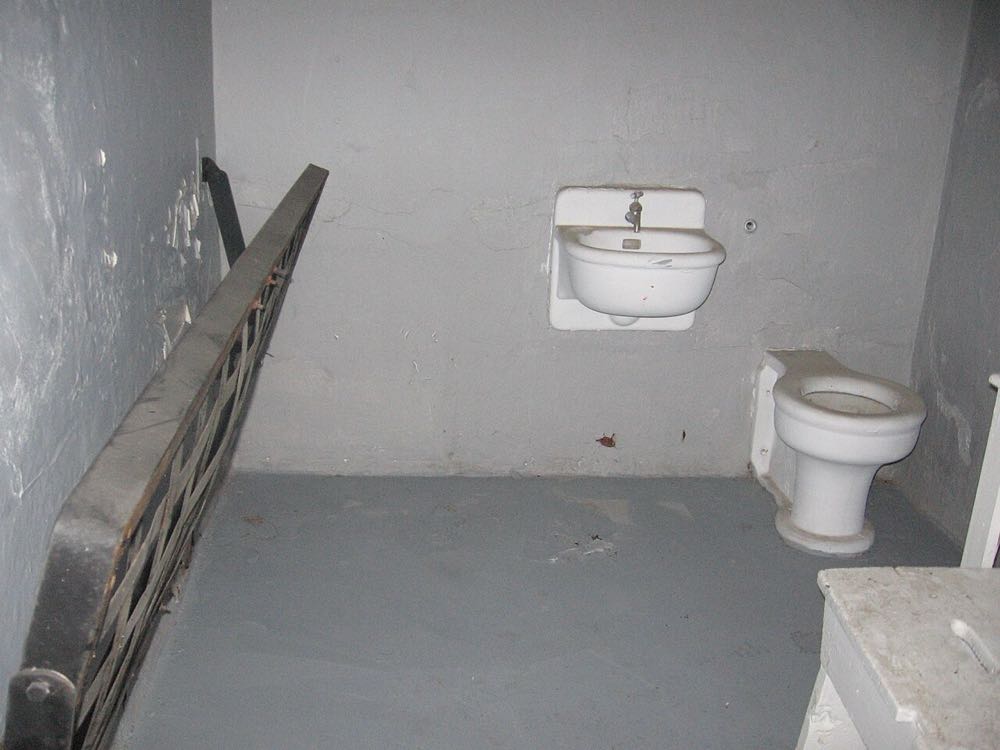
The Montana Department of Corrections (MT DOC) is the state agency responsible for the incarceration and community supervision of adults convicted of crimes in Montana. Headquartered at 5 South Last Chance Gulch in Helena, Montana, the department operates the state's prisons and a wide range of community-corrections programs across one of the largest and most rural states in the nation. Montana State Prison, the flagship facility, houses approximately 1,495 offenders. If you have a loved one in MT DOC custody, this guide explains how to find them, stay connected, and understand the programs and policies that affect them.
About the Montana Department of Corrections
The MT DOC manages a network of state prisons and contracted facilities, including Montana State Prison (the main men's facility near Deer Lodge), Montana Women's Prison in Billings, and various regional and community corrections programs. Because Montana is so geographically large and sparsely populated, the department relies heavily on community corrections, regional facilities, and treatment-focused programs to manage its population across vast distances.
The department's main phone number is 406-444-3930, the fax is 406-444-4920, and its official website is cor.mt.gov. The records-on-file figure associated with this listing reflects historical booking records accumulated over time, not the current population. The MT DOC's facilities range from minimum to maximum security and emphasize reintegration through vocational training, education, mental health support, and structured parole and probation processes.
How to Find an Offender in Montana DOC
The MT DOC provides a free online Offender Search tool (ConWeb) accessible from cor.mt.gov. You can search by:
- The person's name
- Their DOC ID number
Search results include the individual's current facility or supervision status and other public information. You can also search PrisonAssist.com for historical booking records. If you cannot locate someone or need assistance, call the MT DOC at 406-444-3930.
Keep the DOC ID number handy once you have it — it is required for the visiting application, mail addressing, phone account setup, and money deposits. Because Montana sometimes houses individuals in regional or contracted facilities across the state, the search tool is the best way to confirm exactly where your loved one is held.
Visiting Someone in Montana DOC
To visit an offender in an MT DOC facility, members of the public must be approved by facility staff. Here's the process:
Getting Approved to Visit
You must complete an online Visitation Application and be approved by staff at the facility before visiting. A background check is part of the approval process. Once approved, you can schedule visits according to the facility's rules.
Visit Limits and Scheduling
- Inmates may have one visit per week, with up to five visitors per visit on the high side and three visitors per visit on the low side (the exact limits depend on the housing unit's custody level).
- As of August 1, 2025, all visits at Montana Women's Prison must be scheduled online in advance, with visiting hours Tuesday and Friday 7:00 PM–8:30 PM, and Saturday and Sunday 8:30 AM–10:30 AM and 1:30 PM–3:30 PM.
- Other facilities have their own schedules — confirm on cor.mt.gov before traveling.
What to Bring and Dress Code
- Bring a valid government-issued photo ID.
- Dress conservatively — avoid revealing clothing, clothing resembling offender or staff uniforms, and excessive accessories.
- Minors must be accompanied by an approved adult.
- You will pass through security screening, including a metal detector.
Sending Mail to Montana DOC Inmates
The MT DOC has moved to a digital mail delivery system for personal correspondence. As of changes effective May 1, 2024:
- All personal mail — letters, pictures, and drawings — is now digitally delivered to incarcerated individuals via tablet. The physical mail is scanned, and the inmate receives a digital copy.
- Any personal mail sent to the facility after May 1, 2024, will be returned to sender — personal mail must go through the designated digital-mail processing vendor, not directly to the facility.
- Legal mail, checks, money orders, and cashier's checks should still be sent directly to the facility.
Check cor.mt.gov for the current digital-mail processing address and instructions, as this is where you must send personal letters and photos. Because personal mail is scanned and delivered digitally, avoid sending keepsakes or originals you want the inmate to physically keep — they will receive copies. PrisonAssist.com offers a letter service that can route your correspondence through the proper channel to meet these requirements.
Phone Calls and Tablet Messaging in Montana DOC
The MT DOC uses ICSolutions as its telephone and tablet services provider. To receive calls from someone in MT DOC custody:
- Set up an account with ICSolutions at icsolutions.com or by calling their customer service line.
- Fund your account and register your phone number.
- The inmate can then call you, with charges deducted from your account.
- All calls except confidential legal calls are recorded and monitored.
Because the MT DOC has deployed tablets for digital mail, those same tablets often support electronic messaging through the ICSolutions platform (The Visitor by ICSolutions). Setting up an account lets you exchange messages with your loved one in addition to phone calls — a meaningful advantage given Montana's vast distances, which make in-person visits difficult for many families.
Sending Money to Montana DOC Inmates
Money deposited into an offender's account can be used for commissary purchases, phone credits, and tablet messaging. Deposit options typically include:
- Online: Through ICSolutions or the MT DOC's approved deposit vendor — usually the fastest method.
- By phone: Call the approved deposit vendor to make a credit/debit card deposit.
- By mail: Send a money order or cashier's check directly to the facility (these financial instruments still go to the facility, not the digital-mail vendor), following MT DOC's deposit instructions.
Always include the offender's full name and DOC ID number with any deposit, and keep your receipts. Confirm the current approved deposit vendor and mailing instructions on cor.mt.gov.
Programs and Rehabilitation in Montana DOC
The MT DOC emphasizes reintegration through a range of programs tailored to the needs of returning citizens:
- Vocational Training: Job-skills programs preparing offenders for employment after release.
- Educational Programs: Adult basic education, GED preparation, and literacy instruction.
- Mental Health Support: Counseling and psychiatric services, important given the role of behavioral health in many cases.
- Substance Abuse Treatment: Programs addressing addiction, often delivered through community corrections and treatment-focused facilities.
- Community Corrections: Montana relies heavily on prerelease centers, treatment facilities, and other community-based programs to manage its population and support reintegration.
- Parole and Probation Supervision: Structured supervision processes through the Board of Pardons and Parole and probation/parole officers statewide.
Understanding Montana's Parole and Community Corrections System
Montana relies heavily on community corrections — prerelease centers, treatment programs, and supervision — to manage a geographically dispersed population. Many individuals move through a continuum from secure facilities to prerelease centers before full release. The Montana Board of Pardons and Parole determines parole eligibility and release. Program participation, institutional conduct, and a solid reentry plan all factor into parole decisions. Families can support a loved one by encouraging program participation and helping develop a stable release plan, including housing and employment.
Because Montana is so rural, transportation and housing can be significant reentry challenges. Families who can offer stable housing and transportation support play a crucial role in successful reintegration. Ask the assigned probation/parole officer or case manager about reentry resources available in the release community.
Montana in the National Context
Montana's corrections system is shaped by the state's vast geography and small, dispersed population. The heavy reliance on community corrections and the move to digital mail and tablet-based communication reflect both modernization and the practical challenges of serving families spread across enormous distances. Families can stay informed through cor.mt.gov and the Montana Board of Pardons and Parole.
Communication Across Montana's Vast Distances
Montana is the fourth-largest state by area with one of the smallest populations, which means families are often separated from their incarcerated loved ones by hundreds of miles. This geographic reality makes the MT DOC's tablet-based digital mail and ICSolutions phone and messaging services especially important — for many families, these are the primary means of staying connected between infrequent in-person visits. Set up your ICSolutions account early so communication is ready as soon as your loved one is placed, and take full advantage of tablet messaging to maintain daily contact. When you can make the trip for an in-person visit, plan carefully: confirm the facility's visiting schedule and current status, complete the online Visitation Application well in advance, and remember the per-week visit limit.
Supporting Reentry in a Rural State
Montana relies heavily on community corrections — prerelease centers, treatment programs, and supervision — to manage its dispersed population. Many individuals move through a continuum from secure facilities to prerelease centers before full release, and the Board of Pardons and Parole determines parole eligibility. Families can support a loved one by encouraging consistent program participation (vocational training, education, substance abuse treatment, and mental health programming all factor into parole and reentry success) and by helping build a stable release plan. In rural Montana, housing and transportation are often the biggest barriers to reentry; families who can provide a stable home and transportation assistance play a decisive role. Ask the assigned probation/parole officer or case manager about prerelease center placement and the specific reentry resources available in the community where your loved one will return.
Montana's Sentencing and the Role of the Board of Pardons and Parole
Montana courts impose sentences that may include a period of parole eligibility, and the Montana Board of Pardons and Parole determines when and whether an eligible individual is released on parole. The Board weighs the nature of the offense, institutional conduct, program participation, victim input, and the quality of the proposed reentry plan. Families can support a loved one's parole prospects by encouraging consistent program participation and by helping assemble a strong, concrete release plan — including confirmed housing, employment prospects, and a support network. Letters of support from family can be submitted for the Board's consideration. Because Montana relies so heavily on community corrections, many individuals progress through prerelease centers and supervised community placements before full discharge, and family involvement at each stage improves the odds of success.
Final Guidance for Families
For families navigating Montana's corrections system across the state's vast distances, the keys are communication and preparation. Set up your ICSolutions account early to maintain phone and tablet messaging contact, use the digital mail system correctly for personal letters (and remember that legal mail, checks, and money orders still go directly to the facility), and confirm visiting schedules before making long trips. Stay in contact with the assigned case manager about classification, programming, and release planning. Because rural housing and transportation are common reentry barriers, families who can provide a stable home and transportation assistance play a decisive role. Begin planning for reentry well before the release or parole date to ensure the transition home is as smooth and well supported as possible.
Support Resources for Families
- MT DOC Main Line: 406-444-3930 | Fax: 406-444-4920
- Offender Search (ConWeb): via cor.mt.gov
- ICSolutions (Phone/Tablet Messaging): icsolutions.com
- Montana Legal Services Association: mtlsa.org
- PrisonAssist.com: Inmate search, letter service, care packages, phone help
Inmate service providers at Montana Department of Corrections (MT DOC)
Like most US jails and prisons, Montana Department of Corrections (MT DOC) relies on private companies for phone calls, video visits, money transfers, and care packages, each with its own fees and sign-up steps. Nationwide the most common providers are Securus and ViaPath (GTL) for calls and video, JPay and Access Corrections for sending money, and Access Securepak for care packages.
Not sure which company serves the Montana Department of Corrections (MT DOC)? Our inmate service provider directory explains how each one works, what it charges, and how to set up an account before you pay.