
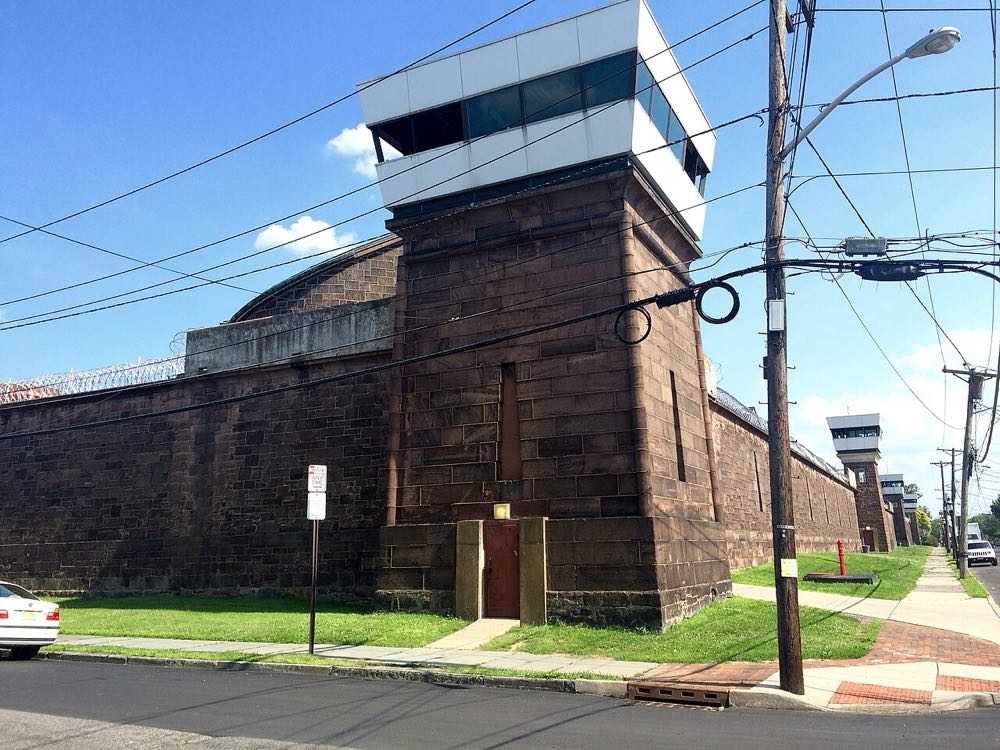

The New Jersey Department of Corrections (NJDOC) is the state agency responsible for the confinement and rehabilitation of adults sentenced to state prison. Headquartered on Whittlesey Road in Trenton, New Jersey, the NJDOC operates nine correctional facilities, 11 Residential Community Release Programs, and one Assessment Center, collectively housing approximately 20,000 incarcerated individuals. Its mission is to protect public safety by changing offender behavior through evidence-based programming and reentry support. If a family member or friend is in NJDOC custody, this guide provides everything you need to stay informed and connected.
About the New Jersey Department of Corrections
The NJDOC operates facilities across New Jersey at minimum-, medium-, and maximum-security levels. Unlike larger state systems, New Jersey's nine facilities are relatively centralized, which generally reduces the travel distances families face for visits. The agency strongly emphasizes family connection as a rehabilitation tool, stating its commitment to "family unification and ensuring strong ties between incarcerated persons and loved ones."
The department can be reached at 609-292-4036, and its official website is nj.gov/corrections. A women's correctional facility is currently under development in Chesterfield Township, reflecting recent efforts to modernize the system's housing for women in custody. Our directory holds over 40,000 historical arrest and booking records on file for NJDOC-affiliated facilities.
In 2025, the NJDOC began transitioning inmate communication services from JPay to ViaPath Technologies, upgrading phone, email, and money transfer systems for improved functionality and reduced costs.
How to Find an Inmate in New Jersey DOC
The NJDOC provides a free public Offender Search Engine on its website at nj.gov/corrections. You can search by the person's name or State Bureau of Identification (SBI) number. Results typically include the individual's current facility, sentence information, and projected release date.
You can also search PrisonAssist.com for historical arrest and booking records associated with NJDOC facilities. If your loved one was recently arrested and you're not sure whether they're in a county jail or a state facility, note that NJDOC houses only individuals sentenced to a term of 1 year or more. Shorter sentences are typically served in county jails.
For questions not answered online, call NJDOC at 609-292-4036. The department's Constituent Services team handles family inquiries about inmate location and transfers.
Visiting Someone in New Jersey DOC
The NJDOC allows up to four adult visitors plus an unlimited number of children per visit. Since the passage of the Dignity for Incarcerated Primary Caretaker Parents Act, qualifying individuals may receive visits six days per week for up to three hours per day. Here's how to set up and attend a visit:
Scheduling a Visit
All visits to NJDOC facilities are by appointment only and must be scheduled at least 48 hours in advance. To schedule, contact the facility during business hours (Monday–Thursday, 8 AM–4 PM). Example visiting session times at key facilities:
- East Jersey State Prison: Saturday–Sunday, 9–11 AM (visitor registration 7:30–8:45 AM)
- Northern State Prison: Saturday–Sunday, 8:30–10:30 AM and 12:30–2:30 PM
- New Jersey State Prison: Multiple Saturday–Sunday sessions — check the NJDOC website for current times
Always confirm the current schedule directly with the facility before traveling, as hours are subject to change.
Getting on the Approved Visitor List
The incarcerated person must add you to their approved visitor list through their assigned counselor. You will be required to provide identifying information for a background screening. Individuals with certain criminal convictions may be denied. The process can take a few weeks for first-time visitors.
Dress Code
NJDOC strictly enforces visitor dress codes. The following are prohibited:
- Skin-tight, transparent, sheer, or fishnet garments
- Exposed shoulders, midriff, or cleavage
- Tank tops, halter tops, or crop tops
- Clothing in khaki, orange, gray, or camouflage (resembling inmate uniforms)
- Flip-flops or backless sandals
- Hats (unless for religious or medical purposes)
Visitors who arrive dressed inappropriately will be turned away. Children under 18 may not visit unless accompanied by an adult relative, and written parental consent is required if the accompanying adult is not a parent.
Bring a valid photo ID: driver's license, passport, or government-issued card. You will pass through metal detectors and may undergo an ion scan for drug residue.
Sending Mail to New Jersey DOC Inmates
As of January 1, 2025, all non-legal U.S. postal mail sent to NJDOC inmates must go to an off-site mail processing center rather than directly to the facility. This change was made to combat drug-laced paper and other mail-borne contraband. Mail processed by the vendor is scanned, and copies are delivered to the inmate; originals are retained for 45 days.
The correct mailing address format (for most NJDOC facilities via Pigeonly Corrections) is:
[Inmate Name] – [SBI Number]
[Facility Name] – [Facility Code]
PO Box 96777
Las Vegas, NV 89193
Always confirm the current processing address on nj.gov/corrections before mailing, as vendor arrangements may be updated. Accepted items include:
- Standard letters and greeting cards
- Postcards
- Photos (4×6 inches, maximum 10 per envelope)
- Unbound newsletters
Prohibited items include: glitter, stickers, stapled items, books (must come directly from publishers/retailers), magazines, money, blank envelopes, newspaper clippings, and religious tokens. Legal and privileged mail must still be sent directly to the facility and clearly marked "Legal Mail" or "Attorney/Client Privileged." It may only be opened in the inmate's presence.
Phone Calls in New Jersey DOC
As of May 2025, NJDOC uses ViaPath Technologies (formerly GTL/ConnectNetwork) as its telephone and communications provider. The system offers significant cost reductions compared to previous rates:
- Rate: $0.034 per minute (a 22% reduction from previous rates), effective May 1, 2025
- Setup: Create an account at connectnetwork.com or call ConnectNetwork 24/7 at (877) 650-4249
- Options: AdvancePay Phone allows calls to come directly to your personal phone number with a prepaid balance
- Monitoring: All calls are recorded and monitored except for attorney/client calls
- International calls: Not currently permitted through the IP phone system
NJDOC also offers electronic messaging and video visitation through ViaPath's platform. Video visits of 30 minutes must be scheduled at least three days in advance through the platform, are limited to one per week, and are available at most facilities between 8 AM–3 PM and 5:50–8 PM. Northern State Prison and the Special Treatment Unit are currently excluded from video visitation.
Sending Money to New Jersey DOC Inmates
ViaPath Technologies (ConnectNetwork) handles money transfers to NJDOC inmates as of 2025. The fee schedule was reduced by 37% from previous rates:
- $0.01–$9.99: $0.90 fee
- $10–$19.99: $1.75 fee
- $20–$99.99: $5.95 fee
- $100–$199.99: $6.95 fee
- $200–$300: $7.95 fee
Payment methods include online via ConnectNetwork, by phone, at retail locations (26,000+ nationwide), or by mailing a money order. Funds are used for commissary purchases, phone credits, publication accounts, and program fees.
Care Packages and Commissary
NJDOC inmates can purchase items through the facility commissary, funded by money deposited to their account. The commissary typically includes personal hygiene items, snacks, beverages, writing materials, and approved electronics, such as radios or MP3 players. Care packages from outside vendors may be permitted at some facilities — check with the specific facility and PrisonAssist.com for approved vendors and available items.
Programs and Rehabilitation in New Jersey DOC
NJDOC provides a comprehensive range of programming focused on rehabilitation and reintegration:
- Therapeutic Reintegration Programs: Structured behavioral health programs addressing criminal thinking and drug dependency.
- Educational Programs: GED preparation, adult basic education, and vocational training.
- Fair Release and Reentry Act Services: NJDOC is required by law to ensure qualifying individuals receive reentry support before release, including assistance securing identification, benefits enrollment, and housing connections.
- Residential Community Release Programs: Eleven halfway-house-style programs allowing supervised reintegration into the community before full release.
- Substance Abuse Programs: Both residential and outpatient treatment options.
- Mental Health Services: Assessment and ongoing treatment available at all facilities.
- Family Reunification Programs: NJDOC actively promotes family involvement as a rehabilitative tool, with specific programming to support parent-child relationships.
Bail and Pretrial Detention in New Jersey
NJDOC houses individuals who have been convicted and sentenced — not pretrial detainees. If your loved one was recently arrested, they are likely held in a county jail pending their court proceedings. New Jersey enacted sweeping bail reform in 2017, largely eliminating cash bail in favor of a risk-based pretrial release system. This means that whether someone is held or released before trial now depends on the severity of the alleged offense and their assessed risk level, rather than their ability to pay.
If you believe your loved one should be released on pretrial conditions, speak with their attorney about filing a motion for release. Public defenders are available for those who cannot afford an attorney.
New Jersey in the National Context
New Jersey's corrections system, with approximately 20,000 incarcerated individuals, is smaller than many states of similar size, reflecting both the 2017 bail reform and years of declining crime rates. The state has invested heavily in reentry infrastructure, including robust community release programs and legal mandates for release planning. Families can access advocacy and support through organizations such as the New Jersey Reentry Corporation and Legal Services of New Jersey.
Support Resources for Families
- NJDOC Main Line: 609-292-4036 | Fax: 609-292-9083
- Offender Search: nj.gov/corrections
- ViaPath (ConnectNetwork) Phone/Money: connectnetwork.com | (877) 650-4249
- New Jersey Reentry Corporation: njreentry.org
- Legal Services of New Jersey: lsnj.org
- PrisonAssist.com: Inmate search, letter service, care packages, phone discounts
Understanding Classification and Intake in New Jersey DOC
When someone is newly sentenced to state prison in New Jersey, they first go through an intake and assessment process at a designated receiving facility. During intake, staff assess medical and mental health needs, educational background, employment history, and security risk factors. This assessment determines facility placement and programming recommendations. Families should be aware that during this initial intake period — which can last 4–6 weeks — contact may be limited and facility assignment may change. Use the NJDOC Offender Search at nj.gov/corrections to track your loved one's location.
Tips for Families Navigating the NJ DOC System
- Know the SBI number. The State Bureau of Identification (SBI) number is the primary identifier used for NJDOC transactions, mail, phone accounts, and money transfers. Find it on the Offender Search tool.
- Register with ViaPath Technologies early. Setting up your ConnectNetwork/ViaPath account before your loved one is permanently placed saves time once they arrive. You can fund the account and register your phone number in advance.
- Attend orientation when offered. NJDOC's Office of Transitional Services may offer family orientation sessions explaining visitation rules, communication policies, and reentry resources. Contact the specific facility to ask.
- Understand New Jersey's parole process. New Jersey operates an indeterminate sentencing system for many offenses, meaning the State Parole Board reviews cases and makes release decisions. Program participation and good conduct significantly affect parole outcomes. Families can submit letters of support to the Board.
- Explore the Fair Release and Reentry Act. New Jersey law requires the DOC to assist individuals with reentry planning — including obtaining identification documents, enrolling in benefits, and connecting to housing — before their release date. Ask the facility's case manager about what reentry services are available.
Family support organizations including the New Jersey Reentry Corporation (njreentry.org) and Legal Services of New Jersey (lsnj.org) offer direct assistance to families and incarcerated individuals navigating the New Jersey corrections system.
Inmate service providers at New Jersey Department of Corrections (NJ DOC)
Like most US jails and prisons, New Jersey Department of Corrections (NJ DOC) relies on private companies for phone calls, video visits, money transfers, and care packages, each with its own fees and sign-up steps. Nationwide the most common providers are Securus and ViaPath (GTL) for calls and video, JPay and Access Corrections for sending money, and Access Securepak for care packages.
Not sure which company serves the New Jersey Department of Corrections (NJ DOC)? Our inmate service provider directory explains how each one works, what it charges, and how to set up an account before you pay.