
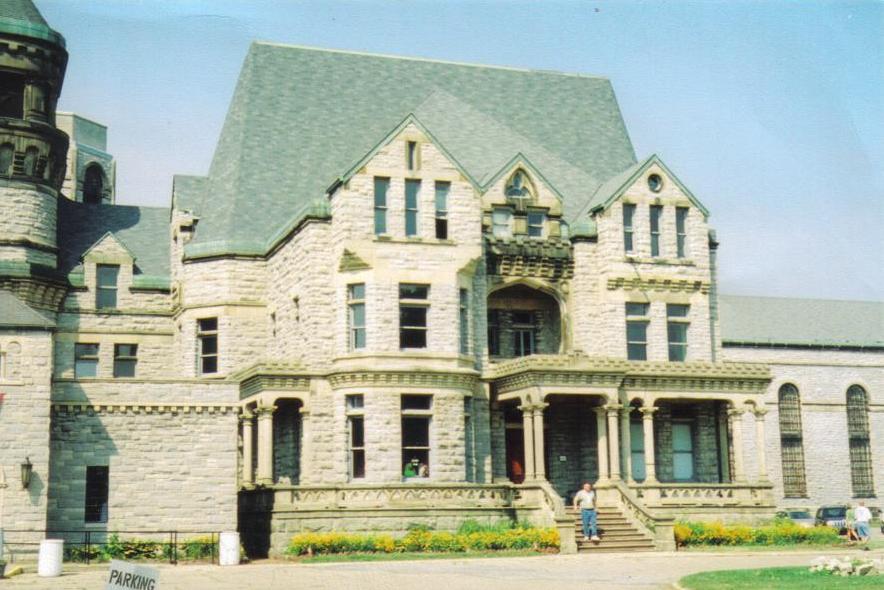

The Ohio Department of Rehabilitation and Correction (ODRC) is Ohio's state agency responsible for operating the adult prison system and supervising individuals on parole. Headquartered at 770 West Broad Street in Columbus, Ohio, the ODRC manages one of the largest state prison systems in the United States — the sixth-largest. With 27 adult prisons housing approximately 45,833 incarcerated individuals as of December 2025, and a total budget of over $2.5 billion for fiscal year 2026, the ODRC is a major institution whose policies directly affect tens of thousands of Ohio families. This guide explains how to find an inmate, stay connected, and navigate the system confidently.
About the Ohio Department of Rehabilitation and Correction
The ODRC's mission is to reduce recidivism and improve public safety by rehabilitating incarcerated individuals and supervising those on parole. In addition to its 27 adult prisons, the state manages three juvenile facilities through the Ohio Department of Youth Services. Ohio's prison system is notable for its geographic spread — facilities are located across urban and rural parts of the state, from the Cleveland area in the north to the Cincinnati region in the south.
The department's main phone number is 614-752-1159, and its official website is drc.ohio.gov. You can also email the agency's public information office at drc.publicinfo@odrc.state.oh.us. Our directory holds over 87,000 historical arrest and booking records on file associated with ODRC facilities — these are accumulated historical records, not the current inmate count.
How to Find an Inmate in Ohio DOC
The ODRC provides a free online Inmate Search tool at drc.ohio.gov. You can search by:
- Last name and first name
- ODRC inmate number
Results show the individual's current facility, sentence, release date, and other publicly available information. Newly admitted individuals may not appear immediately — it can take 24–72 hours for records to be updated after intake at a reception center. You can also search PrisonAssist.com for historical booking records.
If you're having trouble locating someone, call ODRC's public information line at 614-752-1159. Newly sentenced Ohio prisoners first pass through a reception center for assessment before being assigned to a permanent facility — this transition period can cause a brief gap in search results.
Visiting Someone in an Ohio DOC Facility
ODRC allows both in-person visitation and video visitation at its facilities. The department describes its policy as allowing "in-person and/or video visitation between incarcerated individuals and their loved ones in accordance with our visitation policy." Here is how to participate:
Getting Approved to Visit
Each incarcerated individual must submit a visitor list to the institution. To be added, provide your identifying information to the inmate so they can file a visitor request with their counselor. A background check is conducted on all prospective visitors. Approval typically takes 2–4 weeks. Certain criminal convictions may result in denial.
Visiting Hours
Visiting hours vary by institution. Most ODRC facilities allow weekend visits, and some permit weekday visits as well. Full schedules, contact information, and specific policies for each facility are available on the ODRC website at drc.ohio.gov under each facility's page.
Visitor Rules and Dress Code
- Bring a valid government-issued photo ID.
- Dress code restrictions prohibit clothing resembling inmate uniforms, revealing clothing, and open-toed shoes at most facilities.
- Metal detectors and pat-down searches are standard at all facilities.
- Cell phones, outside food, and large personal items are not permitted in the visiting area.
- Children under 18 must be accompanied by an approved adult visitor and must have appropriate authorization.
Sending Mail to Ohio DOC Inmates
Inmates in ODRC custody can receive letters and approved publications. Rules include:
- Address: Use the inmate's full legal name, ODRC number, and the facility's mailing address. Find addresses at drc.ohio.gov.
- Envelopes: Standard white envelopes preferred. No padded mailers.
- Photos: Typically allowed at most facilities (4×6 or 5×7 inches, content restrictions apply — no explicit content, no gang-related imagery).
- Publications: Books and magazines must be sent directly from publishers or approved vendors. No used books from home.
- Prohibited: No cash, stamps, checks, stickers, or items that could be used to introduce controlled substances.
- Legal mail: Mark as "Legal Mail" and send directly to the facility. May only be opened in the inmate's presence.
ODRC has implemented mail screening procedures at many facilities. Check drc.ohio.gov for facility-specific updates.
Phone Calls in Ohio DOC
Ohio DOC uses Global Tel Link (GTL) / ConnectNetwork for inmate telephone services. To receive calls:
- Create an account at connectnetwork.com.
- Fund the account with a credit or debit card.
- Register your phone number to receive calls from the inmate.
- Calls are charged per minute and deducted from your account balance.
ConnectNetwork also facilitates video visitation at select Ohio facilities — check the platform for availability at the specific institution. All phone calls are recorded and subject to monitoring except attorney calls. Calls are typically 15–20 minutes.
Sending Money to Ohio DOC Inmates
Commissary funds can be deposited via ConnectNetwork or other approved methods:
- Online at ConnectNetwork: Fastest option — typically processed within 24 hours.
- Money order: Mail to the facility's business/trust office. Include the inmate's name and ODRC number in the memo line. Allow up to 7 business days.
- Lobby kiosk: Kiosks may be available at facility lobbies for cash or card deposits.
Commissary accounts allow inmates to purchase food, hygiene products, clothing, writing supplies, and approved electronics. Families can also check with PrisonAssist.com for information on approved care package vendors for ODRC facilities.
Programs and Rehabilitation in Ohio DOC
Ohio DOC offers extensive programming aimed at lowering recidivism and improving reentry success:
- Creating Lasting Family Connections (CLFC): Implemented since 2017, this cognitive-behavioral program was approved for Earned Credit in 2025 and expanded to ten ODRC institutions. It focuses on family relationships, substance abuse, and communication skills.
- GED and Academic Education: Basic literacy and high school equivalency programs available at all facilities.
- Vocational Training: Trades programs in carpentry, welding, auto mechanics, culinary arts, and more.
- Substance Abuse Treatment: Residential treatment programs targeting alcohol and drug dependency.
- Mental Health Services: Psychiatric care and counseling available at all facilities.
- Reentry Programming: Employment readiness, housing navigation, and community connection services for those nearing release.
- Ohio Penal Industries (OPI): A work program in which inmates produce goods and provide services — participation can earn sentence credit and develop job skills.
Ohio's Corrections Budget and System Scale
Ohio's corrections budget for FY 2026 is approximately $2.545 billion, reflecting the substantial cost of managing one of the nation's largest prison systems. Ohio has worked to reduce its prison population through sentence modifications for lower-level offenses, expanded parole hearings, and investment in reentry programming. The state's prison population of 45,833 represents a significant decline from peak levels in previous decades.
For families of incarcerated Ohioans, understanding how earned credit works — which can reduce sentence length through participation in approved programs — is important. The 2025 expansion of the CLFC program's Earned Credit eligibility is a concrete example of how participation can accelerate release.
Support Resources for Families
- ODRC Main Line: 614-752-1159
- Public Info Email: drc.publicinfo@odrc.state.oh.us
- Inmate Search: drc.ohio.gov
- ConnectNetwork (GTL): connectnetwork.com
- Ohio Legal Help: ohiolegalhelp.org
- PrisonAssist.com: Inmate search, letter service, care packages, phone discounts, bail help
Understanding Ohio's Sentencing and Parole Structure
Ohio uses both determinate (fixed-length) and indeterminate sentences depending on the offense. For many serious felonies sentenced after April 2021 under Senate Bill 201 (the Reagan Tokes Law), Ohio imposes indefinite sentences with a minimum and maximum term — the Ohio Parole Board reviews the case at the minimum sentence completion to determine whether the individual has demonstrated rehabilitation sufficient for release. For other offenses, sentences are determinate, and release happens at the end of the sentence (with applicable credits).
Understanding which type of sentence your loved one received — determinate or indeterminate — significantly affects how you plan for their release. Ask the attorney or the ODRC case manager for clarity on the applicable sentence structure and projected release timeline.
Practical Tips for Families Navigating ODRC
- Save the ODRC inmate number. This identifier is used for all ODRC transactions — inmate search, mail, phone service, and money deposits. Find it on the ODRC Inmate Search at drc.ohio.gov.
- Connect with the assigned case manager. Each ODRC inmate is assigned a case manager (also called a unit management staff member) who handles programming recommendations, classification changes, and parole preparation. They are your primary institutional contact.
- Understand Earned Credit for Ohio programs. Ohio's Earned Credit system allows inmates to reduce their sentence by up to 8 days per month for participation in approved educational and rehabilitative programs. The expansion of the CLFC program to 10 institutions in 2025 provides more inmates with this opportunity. Ask the case manager which programs qualify.
- Plan for the Parole Board process (if applicable). If your loved one has an indefinite sentence under the Reagan Tokes Law, the Parole Board will review the case at the minimum sentence date. Families can submit letters of support. Strong program participation and positive behavior reports significantly influence Board decisions.
- Explore reentry resources. Ohio has a statewide network of Community Transition Programs and Reentry Courts. The Ohio Department of Job and Family Services also provides employment and benefits assistance specifically for returning citizens.
Legal resources for Ohio prisoners and families include the Ohio Justice and Policy Center (ohiojpc.org) and the Ohio Public Defender's office, which handles appellate and post-conviction matters for indigent defendants across the state.
Ohio Parole Board and the Reagan Tokes Law
Ohio's Reagan Tokes Law, which took effect for offenses committed after March 22, 2019, created indefinite sentencing for many first- and second-degree felonies. Under this structure, individuals receive a minimum and maximum prison term at sentencing. The Parole Board reviews the case when the minimum term has been completed. If the Board determines the individual has not demonstrated rehabilitation or poses a risk, it can keep them incarcerated up to the maximum sentence. If the Board finds they are ready for release, they are released to mandatory post-release control supervision.
Families of individuals sentenced under Reagan Tokes should be aware that the minimum sentence date is not a guaranteed release date — it is the earliest opportunity for Parole Board review. Strong institutional conduct and active participation in ODRC programs (especially CLFC, vocational training, and educational programs) are the most direct ways to influence the Board's release decision positively. Ask the ODRC case manager about which Earned Credit programs are available at the specific facility and help your loved one make a plan to complete them.
For offenses predating Reagan Tokes or for lower-level felonies, Ohio still uses determinate sentencing, in which release occurs automatically at the end of the sentence (minus applicable good time and earned credits). Confirm with the attorney or case manager which sentencing structure applies to your loved one's case.
Inmate service providers at Ohio Department of Rehabilitation & Correction (ODRC)
Like most US jails and prisons, the Ohio Department of Rehabilitation & Correction (ODRC) relies on private companies for phone calls, video visits, money transfers, and care packages, each with its own fees and sign-up steps. Nationwide the most common providers are Securus and ViaPath (GTL) for calls and video, JPay and Access Corrections for sending money, and Access Securepak for care packages.
Not sure which company serves the Ohio Department of Rehabilitation & Correction (ODRC)? Our inmate service provider directory explains how each one works, what it charges, and how to set up an account before you pay.