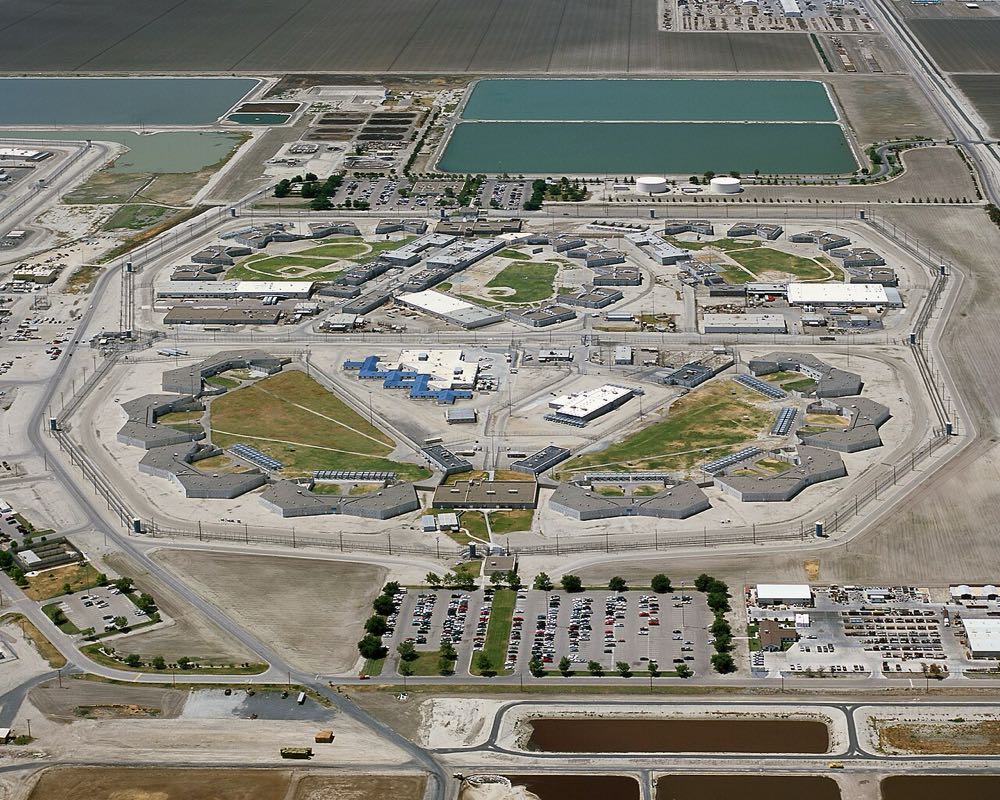

The California Substance Abuse Treatment Facility and State Prison (SATF-CSP) in Corcoran is one of the largest correctional institutions operated by the California Department of Corrections and Rehabilitation (CDCR). Located at 900 Quebec Avenue in Corcoran, in the central San Joaquin Valley of Kings County, this medium-security state prison is designed around substance abuse treatment and rehabilitation. With one of the highest bed capacities in the entire CDCR system — over 7,600 beds — SATF plays a central role in California's approach to addressing addiction among incarcerated people. If you have a loved one held at SATF, this guide walks you through everything from locating them to staying connected and understanding the programs available to them.
About the Substance Abuse Treatment Facility (SATF)
SATF opened in Corcoran as a facility designed with a specific mission: to combine traditional incarceration with substance use disorder treatment. The facility houses adult men at a medium-security classification, and it is one of two major state prisons in Corcoran (the other being California State Prison, Corcoran). The facility's mailing address is PO Box 7100, Corcoran, CA 93212, and the physical address is 900 Quebec Avenue, Corcoran, CA 93212. The main phone number is 559-992-7100.
The facility's name reflects its core purpose. California has long struggled with the role of addiction in driving criminal behavior, and SATF was conceived as a place where individuals could receive structured substance abuse programming while serving their sentences. Programs are delivered in partnership with community-based organizations, and the facility maintains an on-site case manager who serves as a family reunification liaison.
It is important to note an important data caveat: the records-on-file figure associated with this facility reflects historical booking and arrest records accumulated over time in our directory — not the current population. The actual current population fluctuates and is managed by CDCR. The facility's official information page is hosted at cdcr.ca.gov.
How to Find an Inmate at SATF Corcoran
If you believe a loved one is housed at SATF, the first step is to confirm their location and CDCR number. CDCR provides a free statewide Inmate Locator tool at apps.cdcr.ca.gov/ciris/ (the California Incarcerated Records and Information Search). You can search by:
- The person's CDCR number (their unique identifier)
- Their full first and last name and date of birth
The locator shows the individual's current institution, admission date, and other public information. You can also search PrisonAssist.com for historical booking records. If you cannot find someone or need help, call SATF directly at 559-992-7100 to confirm current custody status. Note that newly transferred individuals may take a few days to appear in the system after arriving at the facility.
Once you have the CDCR number, write it down and keep it accessible — you will need it for visiting, mail, phone, and money deposits. The CDCR number never changes, even if the person is transferred to another institution.
Visiting Someone at SATF Corcoran
In-person visits are a cornerstone of California's family-connection philosophy, and CDCR has streamlined the process through its online scheduling system. Here is what you need to know:
Scheduling a Visit
Visits at SATF must be scheduled through California's VSA (Visitation Scheduling Application) system, accessible from the CDCR website. Visiting hours at SATF are generally:
- Fridays: 12:00 PM – 6:15 PM (scheduled); walk-in visiting 3:30 PM – 6:15 PM
- Saturdays and Sundays: 8:30 AM – 2:45 PM (scheduled); walk-in visiting 11:30 AM – 2:45 PM
Always confirm the current schedule on the CDCR facility page or by calling the facility, as visiting hours can change due to operational needs, modified programs, or lockdowns. CDCR also maintains a "Facility Visiting Status" page that shows whether visiting is currently normal, modified, or suspended at each institution.
Becoming an Approved Visitor
To visit, you must first complete and submit a CDCR Visitor Questionnaire (form CDCR 106) and be approved. The approval process includes a background check. Once approved, you can schedule visits through VSA. Minors must be accompanied by an approved adult and may require additional documentation to establish their relationship to the incarcerated person.
Dress Code and Conduct
CDCR enforces a strict visitor dress code. Prohibited clothing includes anything resembling inmate attire (blue denim, chambray), revealing clothing, and clothing resembling staff uniforms. Bring a valid government-issued photo ID. You will pass through a metal detector and may be subject to search. CDCR also offers video visiting at many institutions — check the CDCR website to see whether SATF currently offers video visits and how to schedule them.
Sending Mail and Packages to SATF
Mail is one of the most reliable ways to stay connected. To send mail to someone at SATF, address it as follows:
[Inmate Full Name], [CDCR Number]
[Facility / Housing — if known]
PO Box 7100
Corcoran, CA 93212
Every piece of mail must include the inmate's name and CDCR number, along with your complete return address. All incoming mail is inspected for contraband. Prohibited items include cash, stamps (in some cases), Polaroid photos, items with glitter or stickers, and anything that could be used to introduce drugs.
CDCR allows incarcerated people to receive quarterly care packages through approved vendors. These vendors offer food, hygiene products, clothing, and electronics that meet CDCR's safety and security standards. Popular approved vendors include companies contracted by CDCR — check the CDCR website or PrisonAssist.com for the current list of approved vendors and the items each facility permits. You cannot send packages directly from home; they must come through an approved vendor.
Phone Calls and Electronic Messaging at SATF
SATF uses Global Tel Link (GTL) / ViaPath (ConnectNetwork) as its telephone and electronic messaging provider. In recent years, California made all phone calls from CDCR institutions free of charge — a significant policy change that removed the financial barrier to staying in touch by phone. To receive calls:
- Create a ConnectNetwork account at connectnetwork.com.
- Register your phone number so the incarcerated person can call you.
- Calls are subject to recording and monitoring except for confidential legal calls.
CDCR has also rolled out tablets to incarcerated people, enabling secure electronic messaging, access to educational content, and other services through ViaPath/GTL. Setting up a ConnectNetwork account lets you exchange messages and, where available, photos with your loved one.
Sending Money to an Inmate at SATF
Money deposited into a person's trust account can be used for canteen (commissary) purchases, package vendor orders, and other approved expenses. You can deposit funds through:
- Online: Through ConnectNetwork or CDCR's approved deposit vendor (e.g., Access Corrections / TouchPay). This is usually the fastest method.
- By phone: Call the approved deposit vendor to make a credit/debit card deposit.
- By mail: Send a money order or cashier's check made payable to the inmate with their CDCR number, following CDCR's trust deposit mailing instructions (available on the CDCR website).
Always include the inmate's full name and CDCR number with any deposit, and keep your receipts. Processing times vary — online deposits are typically credited within a few business days.
Substance Abuse Treatment and Rehabilitation Programs at SATF
True to its name, SATF emphasizes substance use disorder treatment alongside the broader CDCR rehabilitation framework. Programs available at SATF and across CDCR facilities include:
- Substance Use Disorder Treatment (SUDT): Structured, evidence-based programming addressing addiction — the central mission of the facility.
- Integrated Substance Use Disorder Treatment: Combines treatment with cognitive behavioral interventions targeting criminal thinking.
- Family Reunification Services: An on-site case manager (provided through a community-based organization) serves as a family liaison, assists with pre-release preparation, and conducts parenting and conflict-resolution classes.
- Academic Education: Adult basic education, GED preparation, and literacy programs.
- Vocational Training (Career Technical Education): Job-skills training in trades that prepare individuals for employment after release.
- Cognitive Behavioral Programs: Anger management, criminal thinking interventions, and victim-impact education.
- Mental Health Services: CDCR provides tiered mental health care across institutions.
Participation in these programs can earn Rehabilitative Achievement Credits and Milestone Completion Credits, which can reduce a person's time in custody under California's credit-earning system.
Understanding California's Sentencing and Credit System
California uses determinate and indeterminate sentencing depending on the offense. For most determinate sentences, individuals earn good-conduct credits and program credits that advance their release date. SATF's emphasis on substance abuse treatment is significant because completing treatment milestones can earn credits that meaningfully shorten time served. For individuals with indeterminate (life) sentences, the Board of Parole Hearings determines suitability for parole, and demonstrated participation in rehabilitation — especially substance abuse treatment for those whose crimes were addiction-related — is heavily weighted.
Families can support a loved one at SATF by encouraging consistent program participation, which benefits both their well-being and their release timeline. Ask the assigned correctional counselor for a current credit-earning status and projected release or parole-eligibility date.
The Surrounding Community and Practical Visit Planning
Corcoran is a small city in Kings County, roughly midway between Fresno and Bakersfield in the Central Valley. Families traveling from the Bay Area, Los Angeles, or other parts of the state should plan for a significant drive. There are limited lodging options in Corcoran itself, with more available in Hanford and Visalia. Because visits require advance scheduling and approval, plan your trip well ahead and confirm the visiting status before you travel — a lockdown or modified program can affect access on short notice.
Planning Your First Visit to SATF: A Practical Checklist
For families visiting SATF for the first time, preparation prevents disappointment. Use this checklist before you travel:
- Confirm approval status. Make sure your CDCR 106 visitor questionnaire has been processed, and you appear on the approved list. Call ahead if unsure.
- Check the visiting status page. CDCR's Facility Visiting Status page shows whether SATF is on normal, modified, or suspended visiting due to lockdowns or quarantines. Conditions can change overnight.
- Schedule through VSA. Reserve your slot in advance through the Visitation Scheduling Application; walk-in slots are limited and not guaranteed.
- Dress appropriately. No blue denim or chambray (resembles inmate clothing), no revealing attire, no clothing resembling staff uniforms. Bring quarters for vending machines and, if permitted, a clear plastic bag.
- Bring a valid ID and limited items. Only specific items are allowed inside — typically ID, car key, and a small amount of cash for vending. Everything else stays in your vehicle.
- Arrive early. Processing can take time, especially on busy weekend mornings.
The drive to Corcoran is significant for most California families. If you are coming from a distance, consider arriving the night before and staying in nearby Hanford or Visalia, which offer more lodging than Corcoran itself.
How Families Can Support Recovery and Reentry at SATF
Because SATF centers on substance abuse treatment, families play a unique and powerful role. Recovery is strengthened by stable, supportive relationships on the outside. Practical ways to help include: encouraging consistent participation in SUDT and cognitive behavioral programming; participating in the family reunification services and parenting classes offered through the on-site case manager; and beginning to plan together for a sober, structured environment after release. The transition home is a high-risk period for relapse, so families who prepare a recovery-supportive household — free of substances, connected to community treatment and 12-step or recovery groups — dramatically improve outcomes. Ask the assigned correctional counselor about pre-release planning and what community resources will be available in the county where your loved one will be paroled.
Support Resources for Families
- SATF Main Line: 559-992-7100
- CDCR Inmate Locator: apps.cdcr.ca.gov/ciris/
- CDCR Facility Page: cdcr.ca.gov/facility-locator/satf/
- Visitation Scheduling (VSA): via the CDCR website
- ConnectNetwork (GTL/ViaPath) Phone & Messaging: connectnetwork.com
- Prison Law Office: prisonlaw.com — free legal information for California prisoners and families
- PrisonAssist.com: Inmate search, letter service, care packages, phone help
Inmate service providers at CDCR - California Substance Abuse Treatment Facility (SATF-CSP, Corcoran)
Like most US jails and prisons, CDCR - California Substance Abuse Treatment Facility (SATF-CSP, Corcoran) relies on private companies for phone calls, video visits, money transfers, and care packages, each with its own fees and sign-up steps. Nationwide the most common providers are Securus and ViaPath (GTL) for calls and video, JPay and Access Corrections for sending money, and Access Securepak for care packages.
Not sure which company serves CDCR - California Substance Abuse Treatment Facility (SATF-CSP, Corcoran)? Our inmate service provider directory explains how each one works, what it charges, and how to set up an account before you pay.